The Allure of Risk and Reward
The thrill of gambling is deeply embedded in human nature, tapping into our innate desire for risk and reward. Casinos create an environment that amplifies this allure, enticing players into a world where the potential for life-changing wins starkly contrasts with the possibility of significant losses. This complex relationship with risk manifests itself across various games, where unpredictability keeps players engaged and eager for more, including those who visit mazbahhobart.com for an exciting experience. It’s the delicate balance between anticipation and consequence that creates an irresistible experience, compelling individuals to return time and again.
This psychological craving for risk is often linked to the excitement of uncertainty. For many, gambling becomes an escape from the mundane aspects of daily life. When players sit at a gaming table or spin the reels of a slot machine, they enter a realm where the prospect of a major win, no matter how unlikely, feels tantalizingly close. This phenomenon aligns with the principle of intermittent reinforcement, where rewards are delivered sporadically, maintaining hope and engagement long after a player might have otherwise walked away. The unpredictable nature of these rewards is a crucial factor in drawing players into the gaming experience.
Furthermore, the design of many casino games enhances this appeal through vivid lights, engaging sounds, and a carefully crafted atmosphere. Each component is intentionally designed to amplify emotional responses, ensuring that players remain in a heightened state of arousal. The cheers of winners and the iconic sounds of coins spilling contribute to a social environment that fosters excitement. This meticulously curated experience plays into behavioral psychology, reinforcing the idea that a win is just around the corner, which can lead to extended gaming sessions and, for some, the onset of problematic gambling behavior.
The Role of Cognitive Biases in Gambling
Cognitive biases significantly influence how individuals perceive their chances of winning while gambling. One of the most prevalent biases is the illusion of control, where gamblers mistakenly believe they have the power to influence outcomes through skill or strategy, especially in games that are primarily based on chance. This misconception can lead to prolonged gaming, as individuals convince themselves they possess superior abilities in predicting results or managing risks. The psychological impact of this bias can be profound, keeping players engaged longer than they might have intended.
Another common cognitive bias is the gambler’s fallacy, which is the erroneous belief that past events influence future outcomes in purely random games such as slots or roulette. For instance, a player might assume a particular number is “due” to appear after several spins without it winning. This flawed reasoning often leads players to make irrational decisions, further entrenching their gambling behavior despite statistical evidence to the contrary. Such cognitive distortions illustrate how powerful and deceptive these biases can be, shaping a player’s choices and gambling experiences.

Understanding these cognitive biases is essential for both players and casino operators. While operators may capitalize on these tendencies to increase player engagement, it also serves as a reminder for players to approach gaming with a critical mindset. Educating individuals about these biases can empower them to make more informed decisions and recognize when their judgment is being clouded by irrational thinking. This awareness can be a crucial step in preventing the development of harmful gambling habits and fostering a healthier approach to gaming.
The Impact of Social Factors on Gambling Behavior
Gambling is often perceived as a social activity, where the influence of peers and social networks can significantly impact an individual’s gaming behavior. The communal aspects of playing in a casino, such as the excitement generated by collective wins and the camaraderie developed around a game table, can enhance the overall experience. In this social context, individuals may feel more compelled to participate and take risks they might otherwise avoid when playing alone. This social dynamic creates an environment where the thrill of gambling is amplified through shared experiences.
Social pressure can also play a critical role in gambling decisions. Friends may encourage one another to continue playing in spite of losses, reinforcing the idea that a player is merely on the verge of a breakthrough. This dynamic creates a feedback loop where social interactions promote continued play, intensifying the psychological thrill associated with gambling. The desire for acceptance and the urge to fit in can make it challenging for individuals to recognize when to withdraw, further entrenching them in their gambling habits and potentially leading to adverse consequences.
In contrast, the rise of online gambling platforms has transformed the social landscape of gaming. While these platforms can isolate players, they also foster new communities where individuals can connect over shared experiences. Social media has amplified this phenomenon, allowing players to share wins and losses, celebrate victories, and seek validation from their peers. Understanding the social dimensions of gambling behavior can help stakeholders develop more effective responsible gambling initiatives aimed at mitigating risks associated with social influences, ultimately promoting a healthier gaming environment.
The Emotional Rollercoaster of Winning and Losing
The emotional highs and lows associated with casino games are significant factors contributing to their addictive nature. Winning generates a rush of excitement and elation, releasing dopamine—a neurotransmitter linked to pleasure and reward. Each victory reinforces the desire to continue playing, fostering a cycle where the need to experience that euphoric feeling becomes paramount. Conversely, losses can evoke feelings of frustration and despair, yet they often fuel a misguided hope of recouping what was lost, prompting players to chase their losses and engage in further gambling.
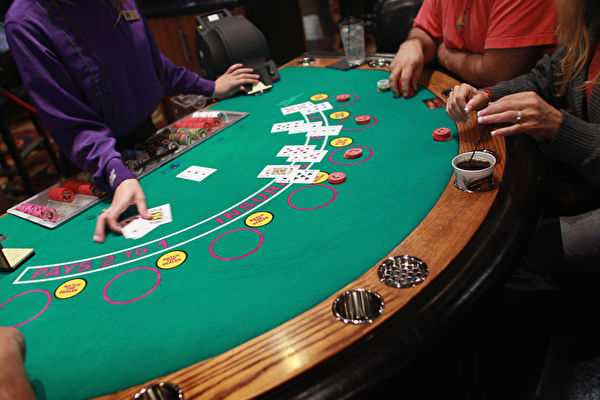
This emotional rollercoaster can lead to a phenomenon known as “loss aversion,” where the pain of losing outweighs the joy of winning. Players frequently find themselves engaging in gambling behaviors that defy logic, persisting in their play in an attempt to overcome their losses. This emotional struggle creates a complex psychological landscape where the interplay of victory and defeat can drive compulsive behaviors, impacting one’s finances and personal relationships. The emotional stakes involved in gambling can make it difficult for individuals to step back and reassess their actions.
Additionally, casinos often capitalize on players’ emotional states through loyalty programs and rewards systems that create a sense of belonging and identity within the gaming community. These initiatives not only enhance player retention but also harness the psychology of emotional attachment. When individuals identify with a particular casino or gaming brand, their emotional investment can overshadow rational decision-making, further entrenching them in the gambling experience. This emotional connection can create a cycle that makes it challenging for players to walk away, regardless of the consequences.
Understanding Casino Psychology for Better Choices
Awareness of the psychology behind casino games is essential for making informed decisions about gambling. By understanding the various psychological principles at play, individuals can navigate their gaming experiences more effectively, helping to mitigate the risks associated with impulsive gambling behavior. Knowledge of cognitive biases, social influences, and emotional triggers can empower players to recognize when their decisions are driven more by psychological factors than by rational thinking, ultimately enhancing their gaming experience.
Moreover, ensuring transparency about these psychological aspects can help casinos promote responsible gaming practices. This includes providing education about the odds of games, the nature of risk, and the potential for addiction. By fostering a culture of responsibility, casinos can contribute to a healthier gaming environment that benefits both the establishment and its patrons. Educating players about the psychological underpinnings of gambling can empower them to make choices that align with their values and financial limits.
Ultimately, understanding the intricacies of casino psychology allows players to engage with games in a more controlled manner. With the right knowledge, individuals can balance the thrill of gaming with an awareness of its potential pitfalls, ensuring that their experiences are enjoyable, safe, and within their means. Whether for entertainment or social connection, a sound understanding of these psychological insights can lead to a more gratifying gambling experience, reducing the likelihood of negative consequences and fostering a healthier relationship with gaming.