In the fast-paced world of aviation simulation, mastering the intricacies of flight management systems can significantly enhance your gameplay experience. One such feature that stands out in Avia Masters is the Speed Modes. Understanding how to effectively utilize these modes can give you a strategic advantage, whether you are flying solo or competing against others. This report delves into the various speed modes available in Avia Masters, their functionalities, and how you can leverage them to improve your performance.
Understanding Speed Modes
Speed modes in Avia Masters are designed to assist pilots in managing their aircraft’s speed during different phases of flight. The primary modes include:
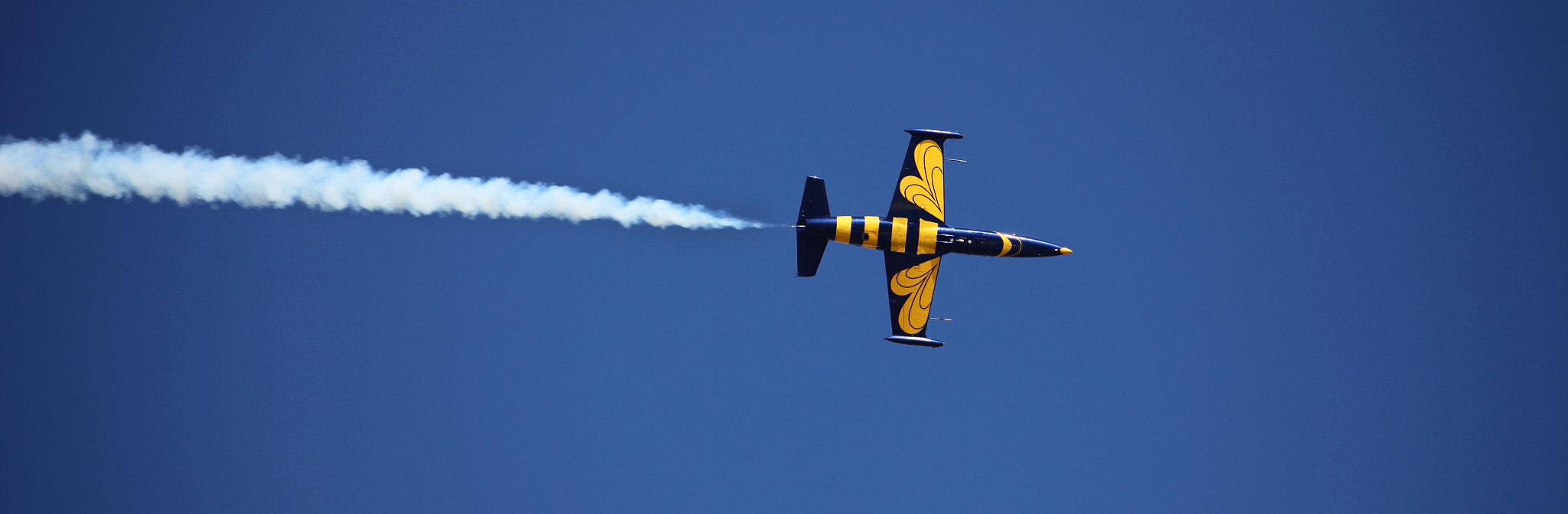
- Cruise Mode: This is the default setting where the aircraft maintains a constant speed, which is optimal for cruising at altitude. It allows for fuel efficiency and a stable flight path.
- Climb Mode: Engaged during ascent, this mode prioritizes vertical speed and engine performance, allowing pilots to reach cruising altitude more quickly.
- Descent Mode: This mode is activated when the aircraft needs to descend. It optimizes speed and descent rate, ensuring a smooth approach to landing.
- Approach Mode: Used during the landing phase, this mode focuses on slowing down the aircraft to prepare for touchdown while maintaining control and stability.
- Speed Hold Mode: This mode allows pilots to set a specific speed that the aircraft will maintain, regardless of altitude changes. It is particularly useful in complex airspace or when managing traffic.
The Benefits of Using Speed Modes
Utilizing speed modes effectively can lead to several advantages:
- Fuel Efficiency: By using the appropriate speed mode for each phase of flight, pilots can conserve fuel, which is a critical factor in long-haul flights.
- Time Management: Optimizing climb and descent speeds can significantly reduce flight times, allowing for quicker turnarounds and increased productivity.
- Safety and Control: Maintaining the correct speed during different phases of flight enhances safety, as it allows for better control and responsiveness to changing conditions.
- Competitive Edge: In competitive scenarios, mastering speed modes can give you an advantage over opponents who may not utilize them effectively, allowing for faster climbs and smoother descents.
How to Effectively Use Speed Modes
To make the most of speed modes in Avia Masters, consider the following strategies:
1. Familiarize Yourself with Aircraft Specifications
Each aircraft in Avia Masters has unique performance characteristics. Understanding the optimal speeds for each phase of flight for your specific aircraft will help you select the appropriate speed mode. Review the aircraft manual or data sheet to familiarize yourself with these specifications.
2. Plan Your Flight Path
Before taking off, plan your flight path and consider the expected altitude changes. Knowing when to engage climb or descent modes will allow you to maintain optimal speeds throughout your flight. Use flight planning tools available in Avia Masters to chart your course and determine the best altitude and speed settings.
3. Monitor Weather Conditions
Weather can greatly impact your flight. Turbulence, headwinds, and other factors can necessitate changes in speed. Regularly check the weather updates during your flight and adjust your speed mode accordingly. For instance, if you encounter turbulence during your climb, consider switching to a slower climb speed to maintain control.
4. Use Speed Hold Mode Wisely
Speed Hold Mode can be a game-changer in busy airspace. When approaching a congested area, engage Speed Hold to maintain a steady speed, allowing for better spacing between aircraft. This can prevent unnecessary speed adjustments and enhance safety during critical phases of flight.
5. Practice Makes Perfect
Like any skill, mastering speed modes requires practice. Take the time to fly various scenarios in Avia Masters, experimenting with different speed modes during diverse flight conditions. This will help you develop a feel for when to switch modes and how to adjust your flying style accordingly.
6. Analyze Your Performance
After each flight, take the time to analyze your performance. Review your speed management and consider areas for improvement. Did you engage the correct speed modes at the right times? Were there moments where adjusting your speed could have improved your flight? Use this analysis to refine your approach in future flights.
Conclusion
Utilizing speed modes in Avia Masters is essential for any serious pilot looking to enhance their flying experience. By understanding the different modes, planning your flights effectively, and practicing consistently, you can leverage these features to improve fuel efficiency, reduce flight times, and ensure a safer flying experience. Whether you are a casual player or a competitive aviator, mastering speed modes can provide you with a significant advantage in the skies. Embrace these strategies, and you will find yourself soaring to new heights in your aviation journey.