Understanding the psychology behind why we gamble a deep dive into the mind of a player
The Allure of Risk and Reward
The thrill of gambling often begins with the allure of risk and reward, a psychological phenomenon that entices many players. The brain is wired to respond positively to the idea of winning, releasing neurotransmitters such as dopamine. This chemical reaction creates a feeling of pleasure that can be addictive. For many, the excitement of potentially winning a large sum of money provides an exhilarating rush that becomes an integral part of their gaming experience, especially at Dudespin in Canada.

This psychological effect can be further enhanced by the environment in which gambling takes place. Casinos are designed to stimulate the senses, featuring bright lights, captivating sounds, and the excitement of fellow gamblers. These elements combine to create a euphoric atmosphere that many players find hard to resist. Even online platforms, with their immersive graphics and engaging interfaces, aim to replicate this experience, further drawing players into a world where the thrill of chance reigns supreme.
Moreover, the concept of “near misses” plays a significant role in gambling psychology. When players come close to winning—such as landing two matching symbols on a slot machine—they experience a heightened sense of excitement. This phenomenon can lead to a false sense of hope, encouraging players to continue gambling in pursuit of that elusive win. The psychological impact of these near victories can be powerful, often overriding logical thinking and influencing players to stake larger amounts in the hope of recapturing that earlier thrill.
The Role of Emotional Escape
For many individuals, gambling serves as an emotional escape, a way to relieve stress or escape from daily life challenges. Engaging in gambling activities can provide a temporary distraction from personal issues, allowing players to immerse themselves in a different world. This form of escapism can be particularly appealing to those dealing with anxiety, depression, or other mental health concerns. The adrenaline rush associated with placing a bet or spinning the reels can momentarily overshadow feelings of distress.
The social aspect of gambling also contributes to its appeal as an emotional escape. Players often enjoy the camaraderie of others who share their interests, whether it’s during a friendly poker game or in a bustling casino. This interaction can create a sense of belonging that further amplifies the desire to participate. The laughter, shared experiences, and thrill of a good game can uplift spirits and provide a welcome break from reality.
However, this emotional reliance on gambling can lead to negative consequences. While it may offer temporary relief, many individuals may find themselves trapped in a cycle of dependency. As their need for escapism grows, they may increase their gambling activities, leading to financial and personal hardships. Understanding this cycle is crucial for addressing the psychological factors that contribute to gambling addiction and its effects on individuals and their relationships.
The Influence of Cognitive Biases
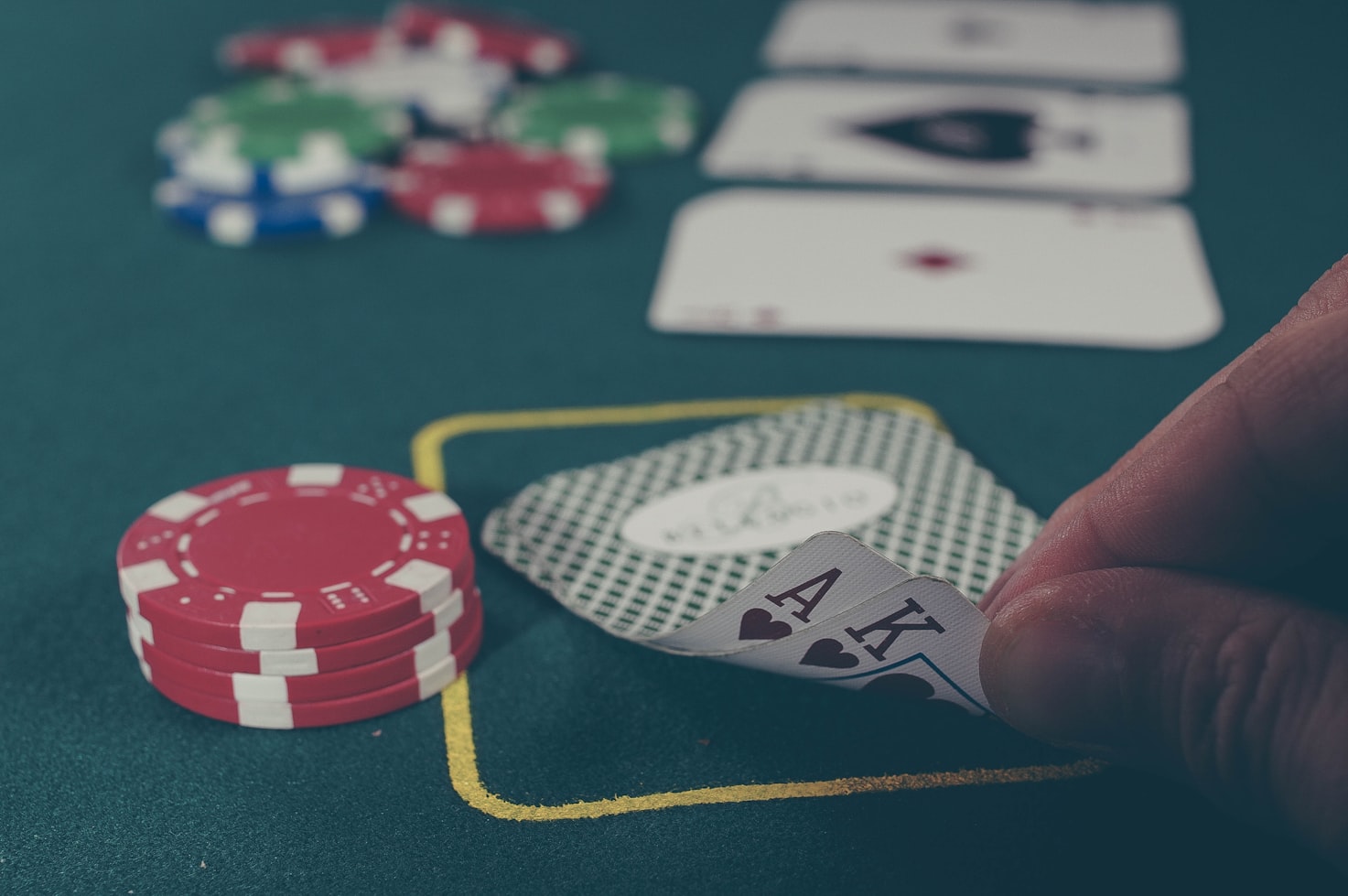
Cognitive biases play a significant role in how individuals perceive gambling and their chances of winning. Many players fall victim to the illusion of control, believing they can influence the outcome of games of chance through skill or strategy. This belief can lead to overconfidence, prompting players to gamble more than they might typically consider. A common example is poker, where players may feel their strategic decisions are the key to winning, leading them to underestimate the role of luck.
Another prevalent cognitive bias in gambling is the gambler’s fallacy. This is the mistaken belief that past outcomes can influence future results. For instance, if a slot machine hasn’t paid out in a while, players might assume it’s “due” for a win. Such thinking can lead to irrational betting behaviors, encouraging players to continue gambling in the hopes that luck will turn in their favor. This disconnect between reality and perception makes it challenging for gamblers to make informed decisions.
Ultimately, these cognitive biases can fuel persistent gambling behavior, as individuals may continually justify their actions based on flawed reasoning. A deeper understanding of these biases can provide insights into why players often struggle to control their gambling habits, despite experiencing losses. Recognizing these patterns is essential for developing effective strategies for responsible gambling and fostering healthier gaming habits.
The Social and Cultural Factors
The social context in which individuals gamble can significantly influence their behavior and attitudes towards gambling. In many cultures, gambling is celebrated as a form of entertainment and social bonding. Events such as poker nights or trips to casinos with friends are common occurrences that solidify gambling as a popular pastime. This normalization of gambling can create peer pressure, pushing individuals to participate even if they may not be entirely comfortable.
Moreover, marketing plays a crucial role in shaping perceptions of gambling. Promotions, advertisements, and sponsorships often portray gambling as a glamorous and exciting activity. This representation can glamorize the lifestyle associated with winning big, overshadowing the potential risks involved. As individuals are bombarded with these messages, they may be more inclined to engage in gambling behaviors, believing it to be a surefire way to achieve success or happiness.
However, it is essential to recognize the darker side of gambling within social contexts. While many people can gamble responsibly, others may fall into the trap of problem gambling, significantly impacting their lives and relationships. Understanding the influence of social and cultural factors on gambling behavior can help address the broader implications of this activity and foster a more responsible approach to gaming.
Dudespin Casino: A Comprehensive Gaming Experience
Dudespin casino exemplifies a modern approach to online gambling, combining a vast selection of games with an engaging user experience. With over 9,400 gaming options, including slots, table games, and live dealer experiences, players can explore a diverse array of choices tailored to their preferences. The platform emphasizes user experience, ensuring that navigation is smooth and enjoyable whether on desktop or mobile devices.
New players at Dudespin casino are greeted with a generous welcome package that includes a substantial bonus and free spins. This promotional strategy not only incentivizes new players to join but also highlights the casino’s commitment to enhancing their gaming experience. By prioritizing player engagement, Dudespin casino creates an inviting environment for casual and seasoned gamers alike, fostering a sense of community and excitement.
Additionally, Dudespin casino recognizes the importance of security and accessibility. With multiple payment methods, including cryptocurrencies, players can enjoy peace of mind while managing their bankroll. The platform’s focus on customer support ensures that help is available whenever needed, reinforcing its reputation as a trusted online gambling destination. Ultimately, Dudespin casino serves as a prime example of how modern casinos can blend entertainment, accessibility, and community in a way that resonates with today’s gamers.