The Intersection of Luck and Skill
In the realm of casino gaming, the relationship between luck and skill is often debated among players and enthusiasts. Luck, often viewed as a random, uncontrollable factor, can lead to unexpected wins or losses that leave players exhilarated or disappointed. Skill, on the other hand, encompasses the strategic decisions made by players, their knowledge of the game, and their ability to calculate risks and rewards. For those interested in the latest trends, 1win offers insights and unique gaming experiences that enhance this dynamic blend where sometimes luck prevails and at other times, skill shines.
Consider games like blackjack, where players can employ skillful strategies such as card counting or betting systems to maximize their chances of winning. In contrast, games like slot machines are predominantly driven by luck, as outcomes are determined by random number generators. Thus, as players engage in various forms of casino gaming, they must navigate this intricate balance, understanding when to rely on skill and when to accept the unpredictable nature of luck.
Furthermore, the interplay between luck and skill shapes the overall experience of casino gaming. Players often recount stories of their “lucky” evenings where they hit the jackpot, but those experiences are often interspersed with tales of losses that teach valuable lessons. This duality ensures that casinos remain enticing venues where outcomes can change in an instant, appealing to both the thrill-seeker and the strategist alike.
The Role of Strategy in Casino Games
In many casino games, strategic thinking plays a crucial role in determining success. Games like poker and blackjack require players to analyze their opponents, calculate probabilities, and make informed decisions based on the cards they hold. This level of strategy allows skilled players to leverage their knowledge and outsmart less experienced opponents. For instance, a seasoned poker player might bluff or fold in ways that maximize their potential returns, showcasing the importance of skill in this context.
Moreover, strategic gameplay in casino games can also include bankroll management, where players set limits on their betting to prolong their gaming experience. By having a clear strategy that involves setting win and loss limits, players can minimize the emotional rollercoaster that often accompanies gambling. This approach emphasizes the skillful side of casino gaming, transforming it into a mindful experience rather than a mere game of chance.
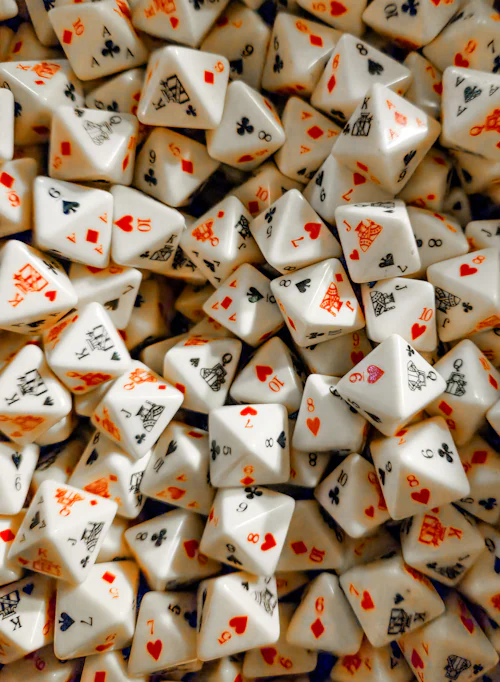
Nevertheless, while strategy can significantly enhance a player’s chances of success, it cannot completely eliminate the element of luck. Even the most skilled player can face bad luck at the tables, as the outcome of each hand or spin is fundamentally uncertain. Thus, the strategic elements of gameplay coexist with the unpredictable nature of luck, making every game a unique adventure.
The Psychological Factors at Play
The psychology of gambling significantly influences how players perceive luck and skill within casino environments. Cognitive biases such as the “gambler’s fallacy” can lead individuals to believe that past outcomes affect future probabilities, which can skew their understanding of luck. For instance, if a player experiences several losses in succession, they might erroneously assume that a win is “due,” leading to increased risks and potentially greater losses.
Additionally, the thrill of chasing losses can deeply affect a player’s decision-making process. This emotional aspect often overrides rational thought, leading players to make impulsive bets in hopes of regaining what they lost. Such psychological dynamics reveal that while skill is important, understanding one’s emotional responses to wins and losses can be just as crucial for long-term success in casino gaming.
Furthermore, casinos are designed to enhance the gaming experience through ambiance, sound, and visuals that stimulate excitement and engagement. This sensory experience can further complicate the player’s perception of luck and skill as emotions run high. The overall atmosphere contributes to the unpredictability of each gaming session, making it imperative for players to remain grounded in their strategies while acknowledging the thrill that comes from the unknown.
The House Edge and Its Implications
Every casino game is designed with a built-in advantage for the house, known as the “house edge.” This concept varies from game to game, influencing how luck and skill interact in the long term. For example, the house edge in games like roulette can be as high as 5.26%, which means that over time, the casino is statistically likely to win more than it loses. Understanding this concept is essential for players seeking to navigate the dynamics of casino gaming effectively.

In contrast, games with a smaller house edge, such as blackjack or video poker, allow skilled players to minimize their losses and increase their chances of winning through strategic play. This distinction underscores the significance of learning the rules and strategies associated with different games, as it not only enhances the player’s experience but also optimizes their potential for success. Thus, a careful examination of the house edge is a crucial factor in the decision-making process for players seeking to balance luck and skill.
Moreover, recognizing the house edge can foster a healthier gambling mindset. By understanding that outcomes are statistically anchored in favor of the house, players are more likely to approach their gaming experiences with realistic expectations. This awareness encourages a more responsible attitude toward gambling, promoting enjoyment without succumbing to the pitfalls of unrealistic aspirations driven by luck alone.
Discover More Insights on Casino Gaming
If you’re intrigued by the intricate dynamics of luck and skill in casino gaming, you can delve deeper into this fascinating subject. Understanding the balance between these two elements can enhance your approach to various casino games, whether you prefer the strategy of poker or the thrill of slot machines. Engaging with the gaming community, reading expert analyses, and experimenting with different strategies can enrich your experience at the casino.
Moreover, as you explore the diverse world of casino gaming, staying informed about trends, game rules, and psychological aspects can equip you with valuable knowledge. Embracing a balanced perspective between skill and luck not only improves your enjoyment but also promotes responsible gaming practices. Always remember that while luck may play a role, it is often your skill and strategic thinking that will dictate your long-term success.
In conclusion, the world of casino gaming is a captivating interplay of luck and skill, creating an environment where players can experience both exhilaration and challenge. By understanding the dynamics at play, recognizing the role of strategy, and being aware of psychological factors, players can enhance their gaming experience. Whether you are a casual player or a serious contender, fostering an informed approach can lead to more enjoyable and potentially successful gaming sessions.